
Understanding Subsurface Stratigraphy and Hydrostatic Head
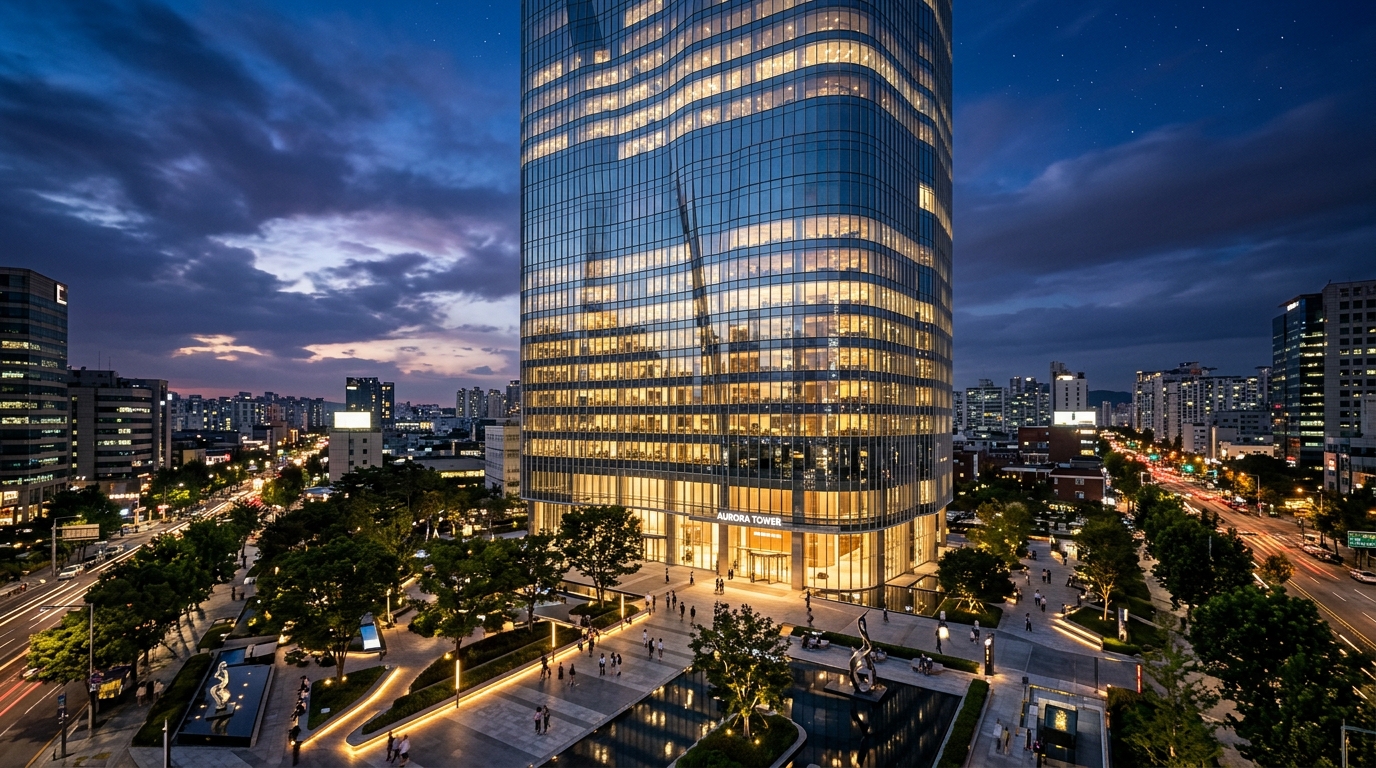
Heavy commercial towers and infrastructure bridges exert tremendous point loads that loose alluvial and soft clay strata cannot support without specialized deep foundation engineering. Accurate geotechnical borehole testing determines stratum transition depths and pore-water pressure regimes.
Bored Cast-in-Situ Piling with Bentonite Slurry
To prevent borehole collapse in granular soils with high groundwater tables, bentonite or polymer slurries are continuously pumped during auger drilling. High-yield steel rebar cages are lowered into place before submerged tremie pipe concrete casting displaces the slurry systematically.
Diaphragm Walls and Top-Down Basement Construction
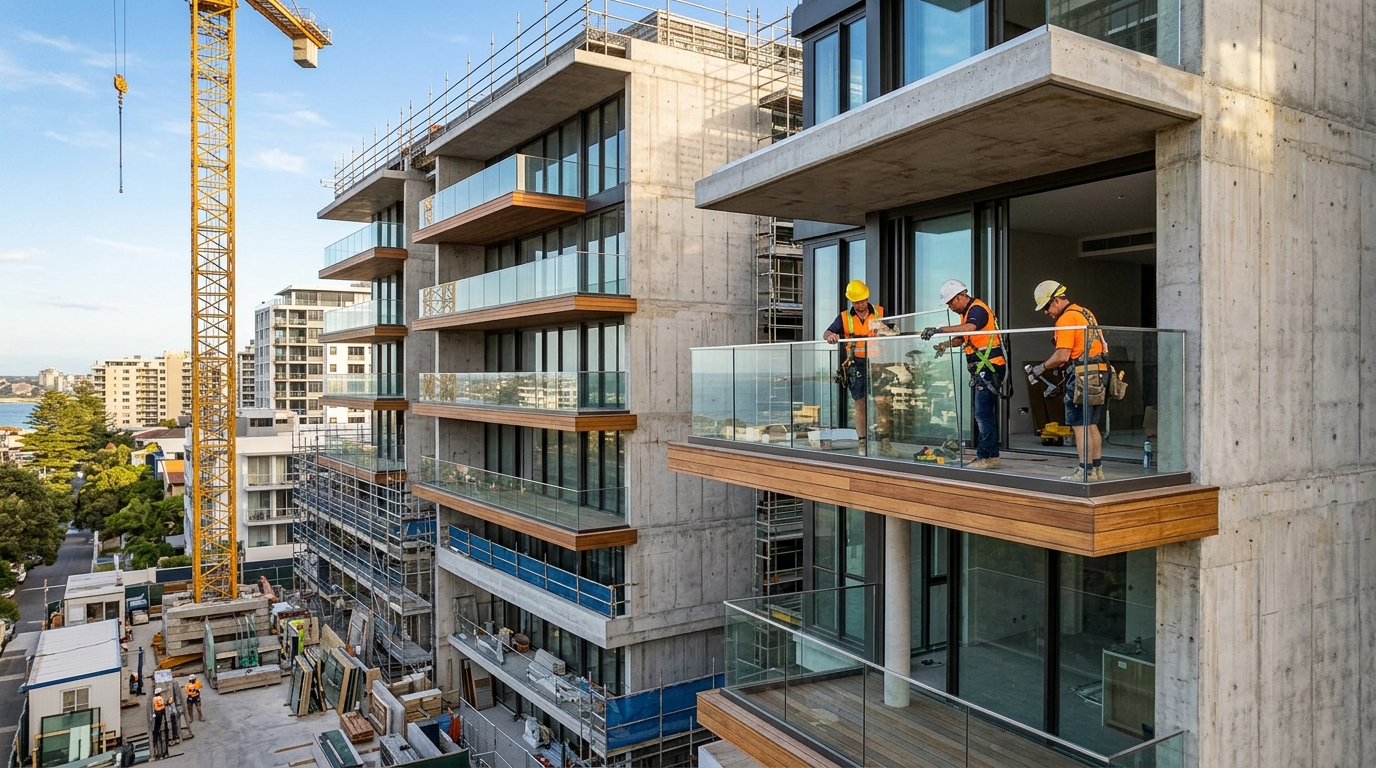
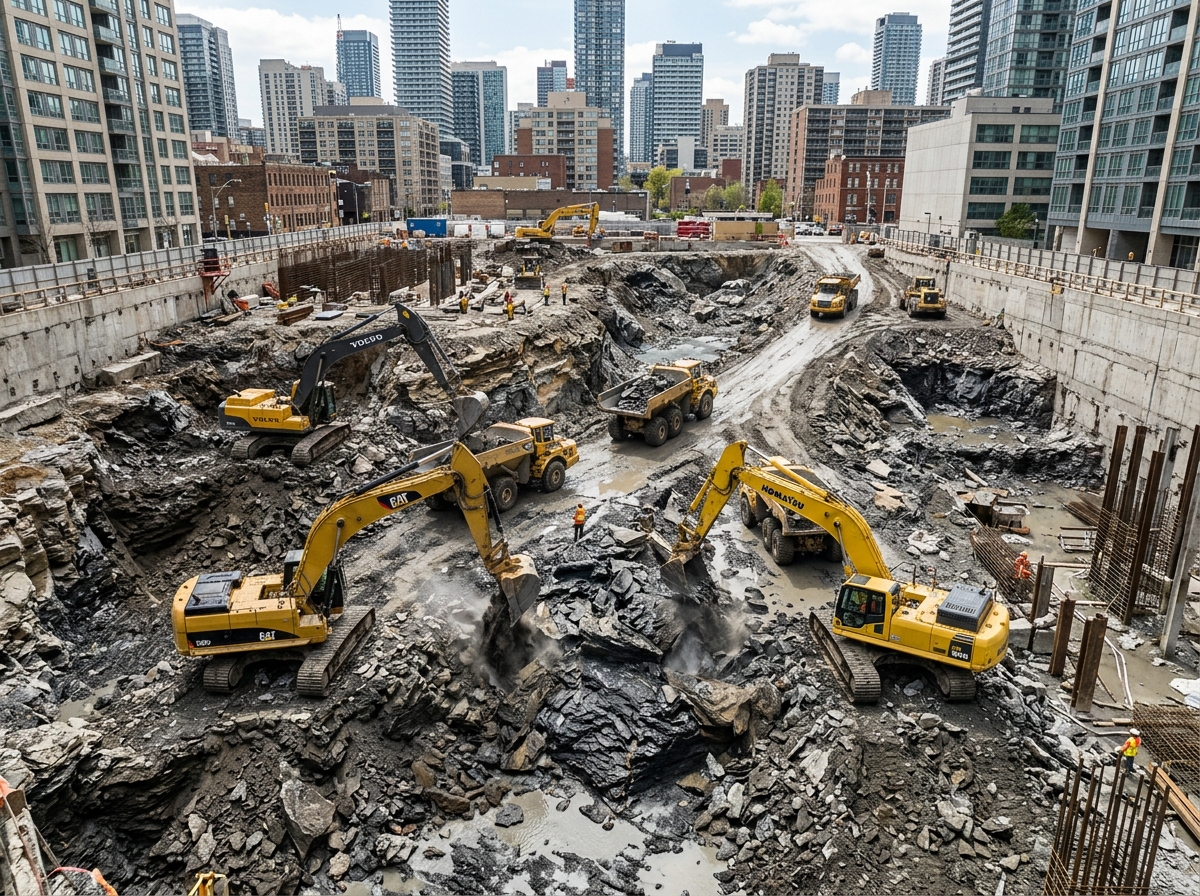
In high-density urban settings adjacent to existing structures, perimeter diaphragm walls provide both temporary earth retention and permanent basement boundary support. This enables top-down construction workflows where superstructure floors proceed upward simultaneously with basement excavations below ground.